'%3E%3C/circle%3E%3C/g%3E%3C/svg%3E)
Summer Newsletter
Being #RadicallyOpen
Welcome to our summer newsletter. As temperatures soar in the UK we have hidden in the shade to write up some of our latest work and the impact we have. Its a short read and we hope it offers some tips and insight.
The original idea of the web was that it should be a collaborative space where you can communicate through sharing information.
Like Tim Berners-Lee we believe in a #RadicallyOpen outlook. For us this means publishing everything we do openly on our website, sharing our work, asking questions, prototyping, and basically just doing. Because of the way we operate commercially - a combination of paying-clients and funding from sponsors (for which they receive bespoke innovation tools and consultancy) - we are allowed the freedom to be innovative and proactive in searching for new ways of doing things. That helps not only us and our projects but also our clients, sponsors and anyone else - academics, think tanks, governments, organisations and more.
Measuring our work?
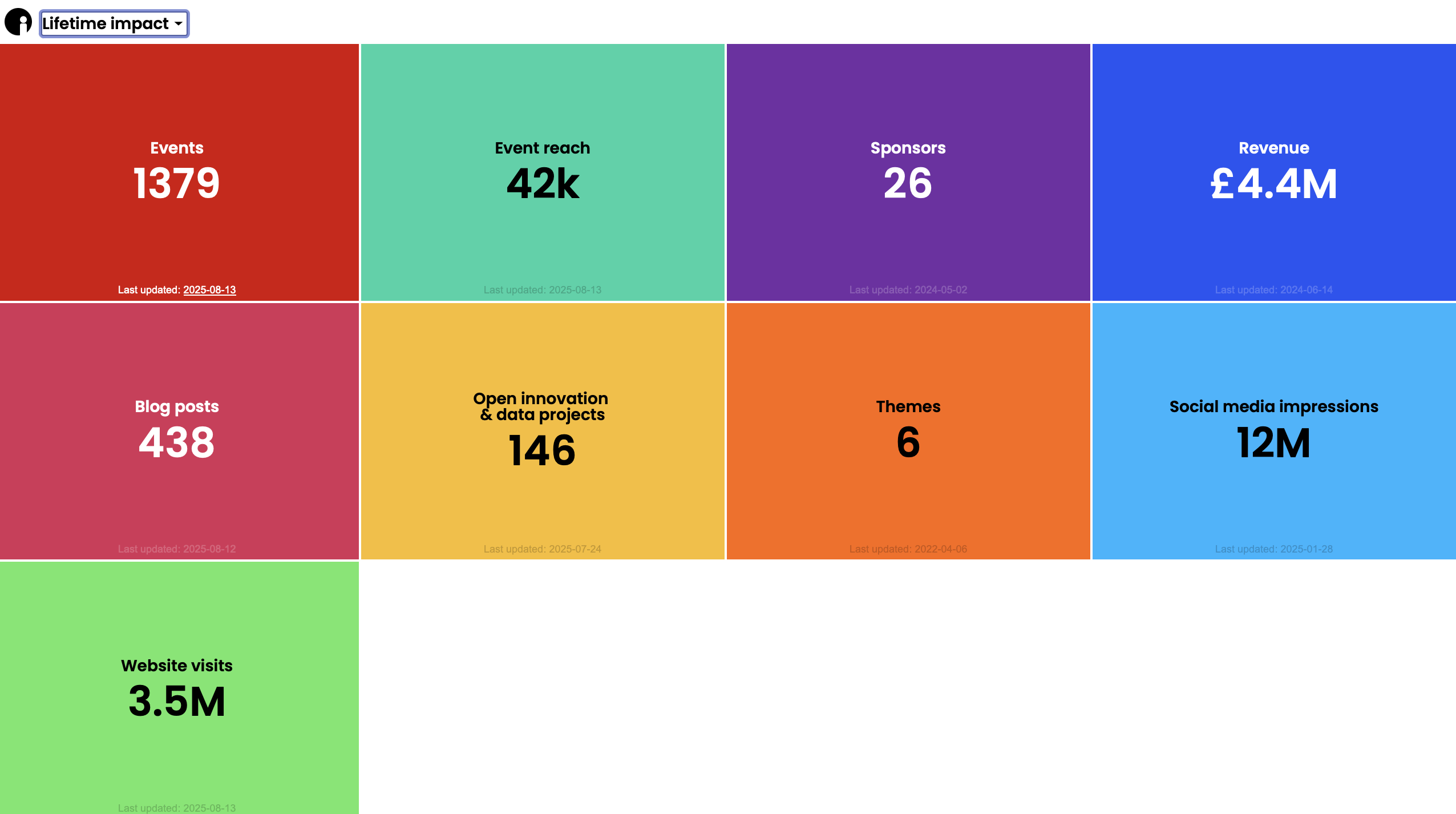
We have helped so many individuals and organisations over the last 12 years. To attempt to measure our impact we produced a data dashboard. As a snapshot, to date, we have worked on 146 projects, received sponsorship from 26 organisations, written 438 blogs, reached 3.5m people via our website and helped so many people learn from open data and innovation.
Our work in the wild
As we share openly (under CC-BY-4.0 or MIT licences) we do see our work, data, insights, and visualisations pop up in many many places. It is always nice to see that our mission to be radically open is working. Here are just a few of the latest examples of our work being used and shared by others...
Bradford 2025 UK City of Culture - hex maps
We made a ward hex map for Bradford 2025, which they used at some outdoor events as an easy and visual way of evaluating where event attendees were from.
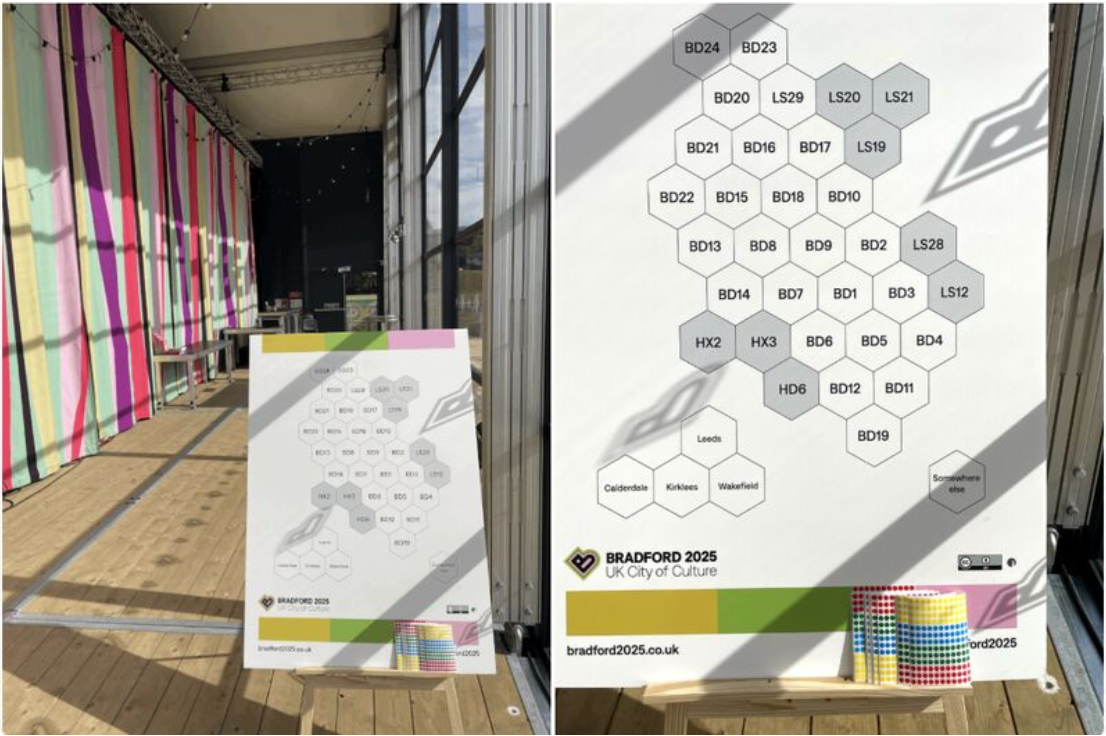
Credit: Bradford 2025
Award-winning academic paper
An academic, Dinesh Chacko, recently got in touch to say thank you for helping and inspiring him to write an award-winning published academic paper - "Patterns of Sustainable Energy Use in the UK's Northern Powergrid" - at Imperial College London 9th International Conference on Energy Harvesting, Storage, and Transfer (EHST 2025). Dinesh used Northern Powergrid's DFES data to help him write and share the Best Paper Award at the conference - which will hopefully inspire others too.
Real estate software for managing real estate offices
A software company advises others to use our CSV Cleaner tool on their website.
Welsh election 2026 graphics
We were recently asked by a technical engineer at ITV Cymru Wales for our help to develop a new hex map to visualise the new welsh constituencies for the Wales 2026 elections - of course we obliged and helped with their request and hope to see our maps in action next year. You can view our proposed layout and make your own hex cartograms with our tools.
Website emissions
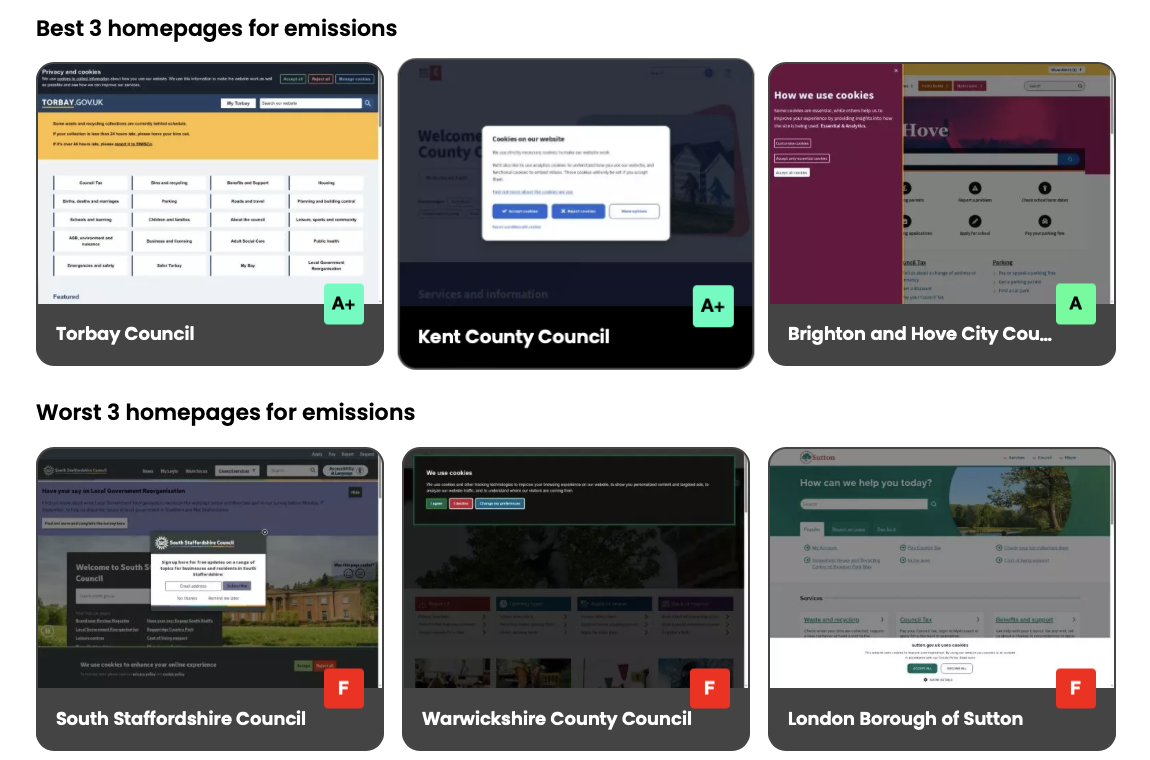
Stuart has been on a mission for a while now to help councils reduce their website carbon impact. You may not think of websites as sources of carbon emissions but they are. Data centres, transmission networks, and the devices we use to access them all use electricity which, in turn, produces carbon emissions. We use the Digital Carbon Rating Scale as the methodology for estimating web page emissions. We don't just want to name and shame - we want to help and reach out to the councils with easy ways to reduce their imprint. Recently we have helped Antrim & Newtownabbey reduce its home page emissions by 87.5% (3.2g to 0.4g per visit) which should also save some bandwidth for their residents.
Continued success of the Bin App
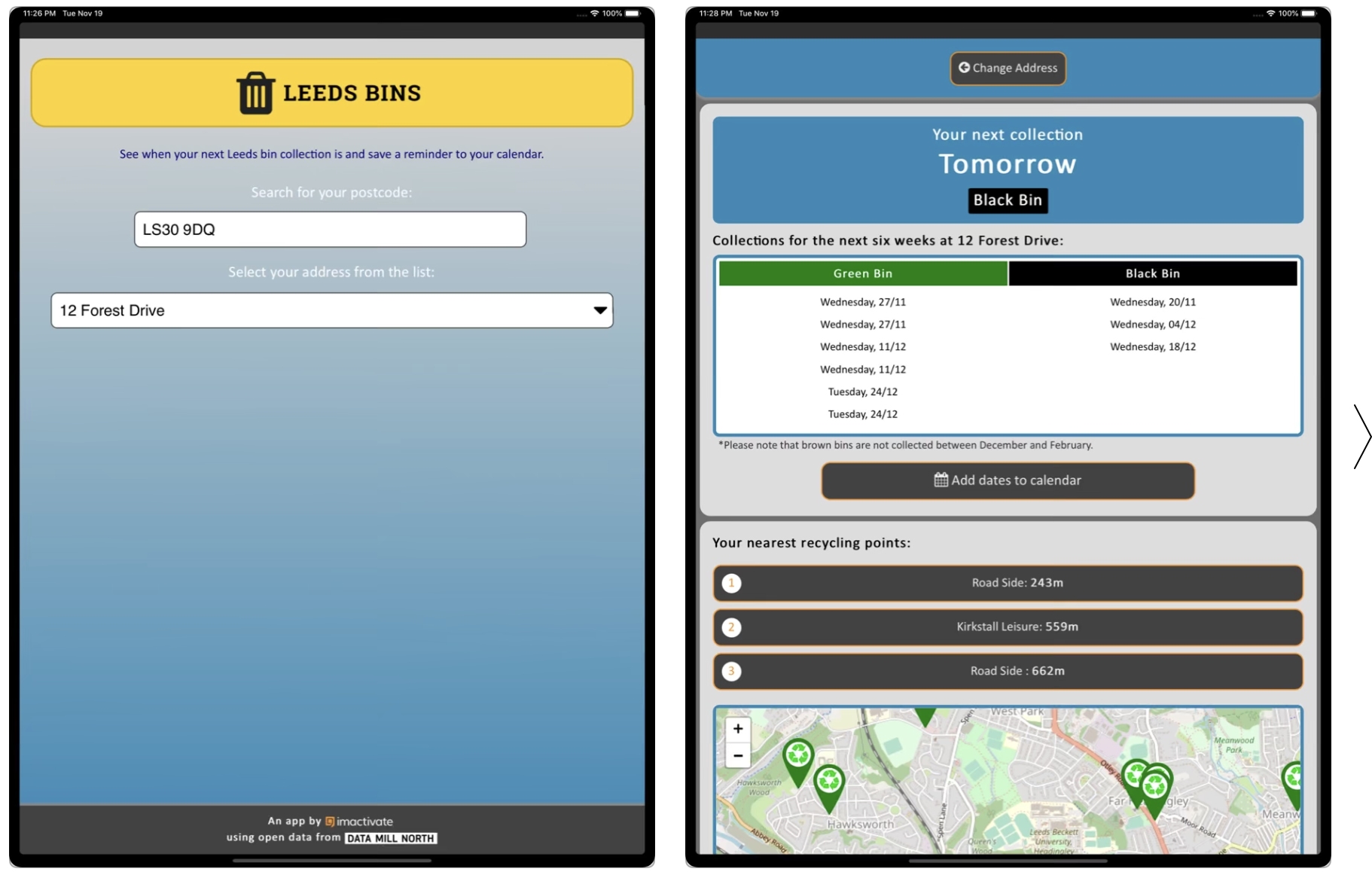
Tom & Dan developed the Bin App over 9 years ago, it started with Leeds and progressed to Rotherham, Luton, and Fenland. It is testament to its popularity (over 100,000 downloads) that we still get regular emails from home owners congratulating us on the Bin App or letting us know if there is a glitch so we can get it fixed quickly for them as it has become an essential tool for many. You can read all about the Bin App on our blog.
Latest project updates
Constituency dashboards
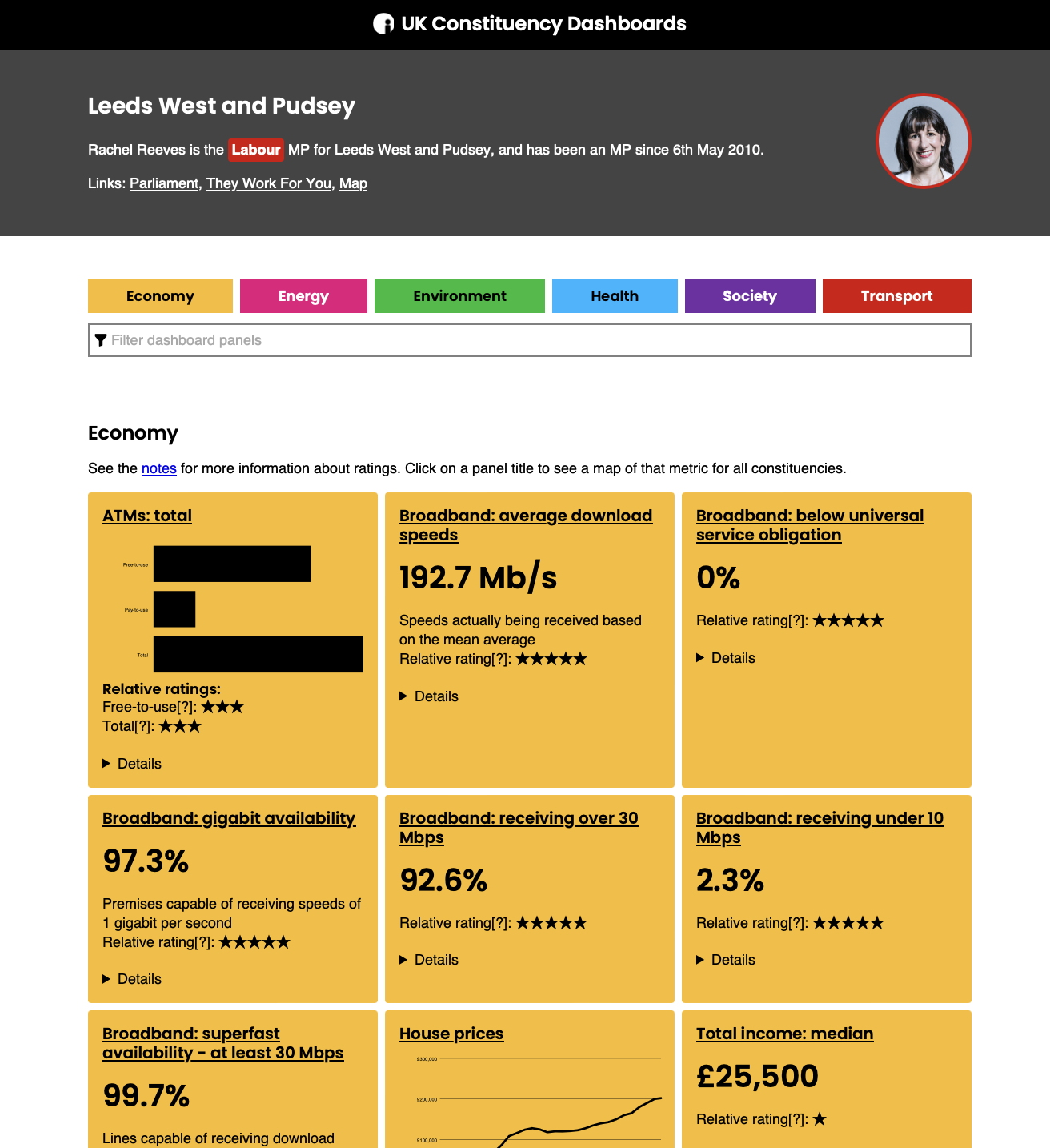
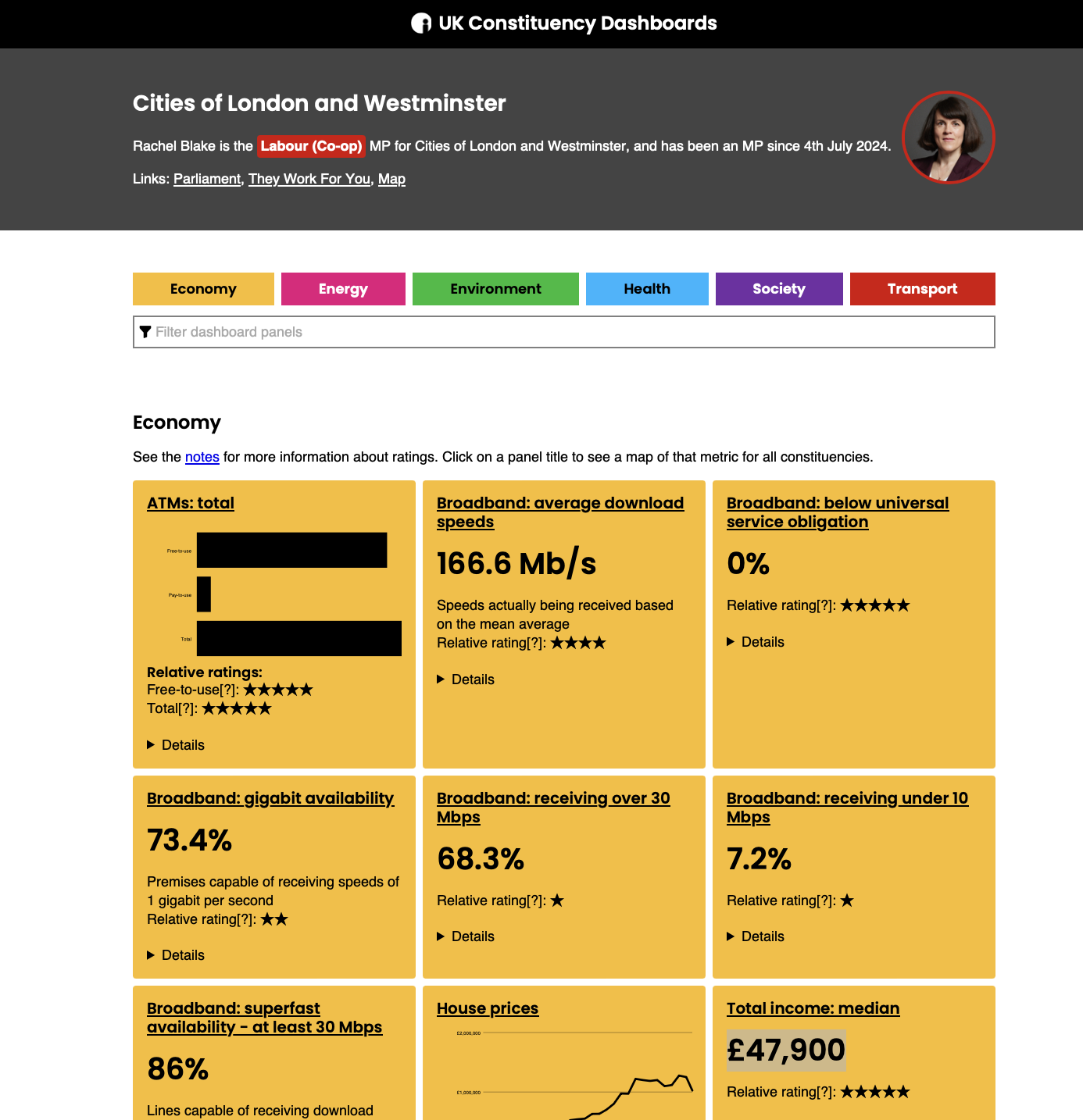
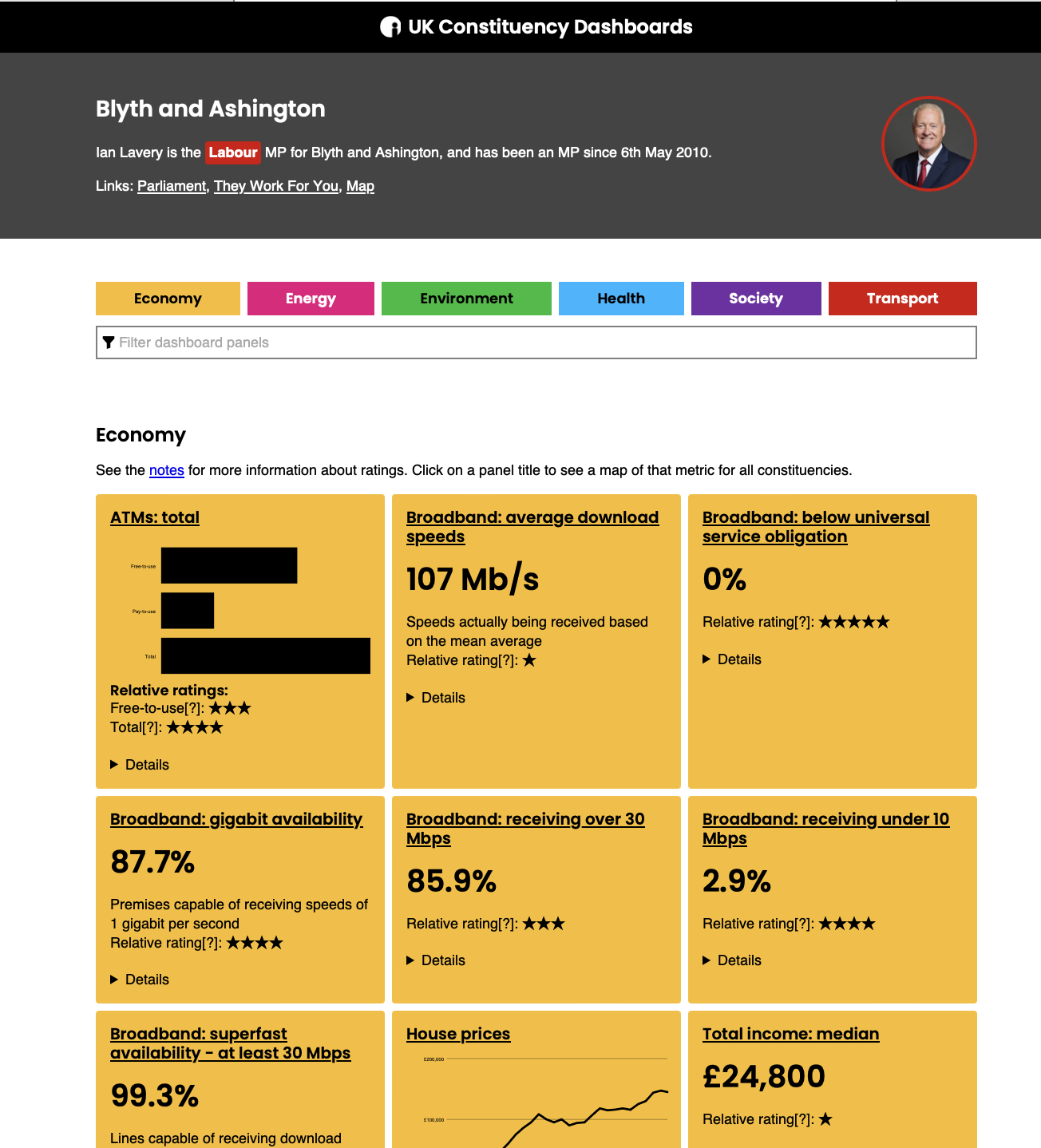
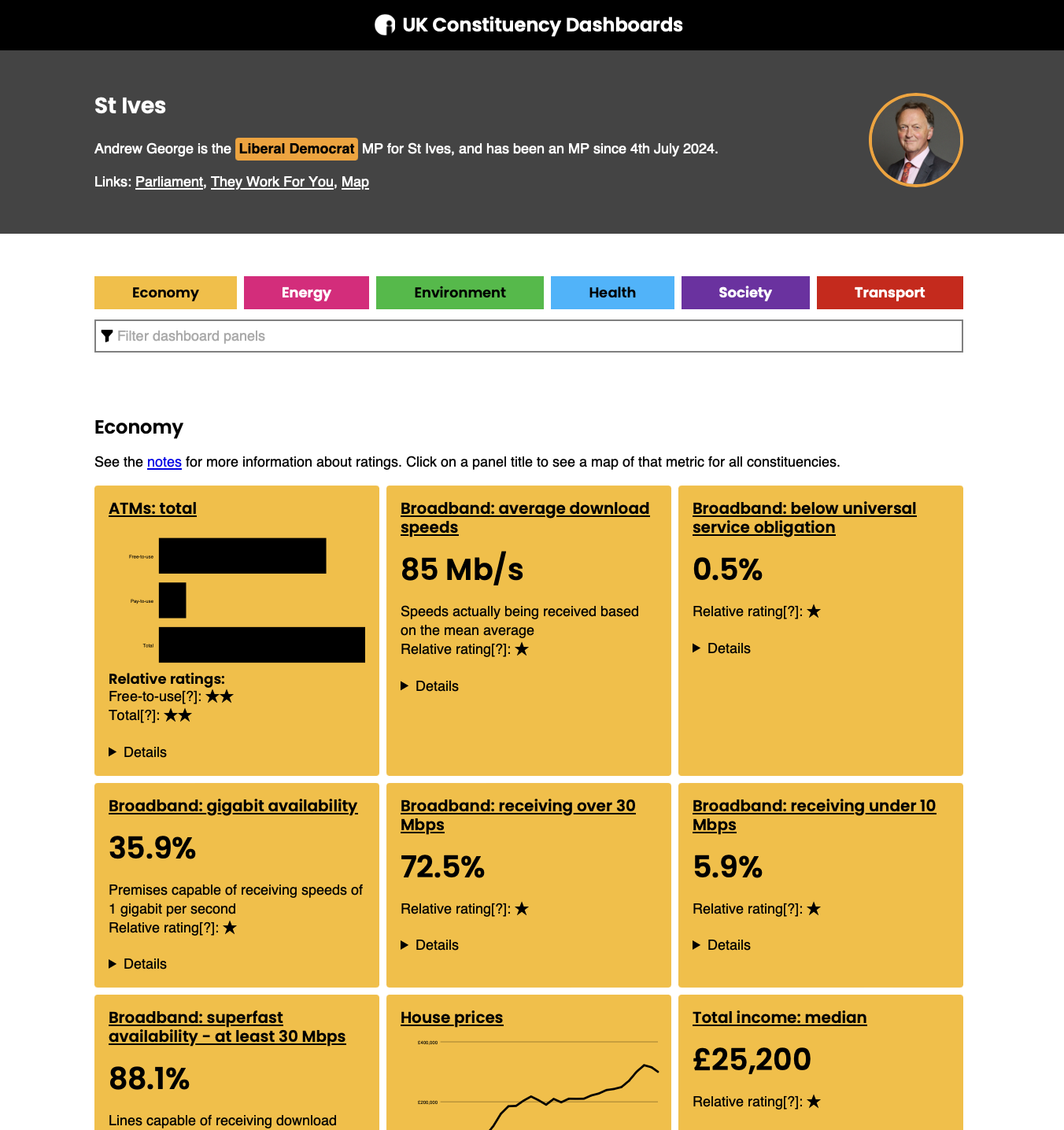
As well as being #RadicallyOpen we also like to "eat our own dog food". That means using your own tools/products/services so that we know they work and quickly find out what improvements are needed. In that vein we had an idea to create a view that showed a constituency with every dataset we'd collected for our constituency hex maps. Effectively, could we "pivot" the data and make visualisations with it? The answer was: yes! We have built an entire site to show just that: a dashboard for every constituency. It has already been well received and used by MPs/journalists so please use and share.
Developing a bus open data archive
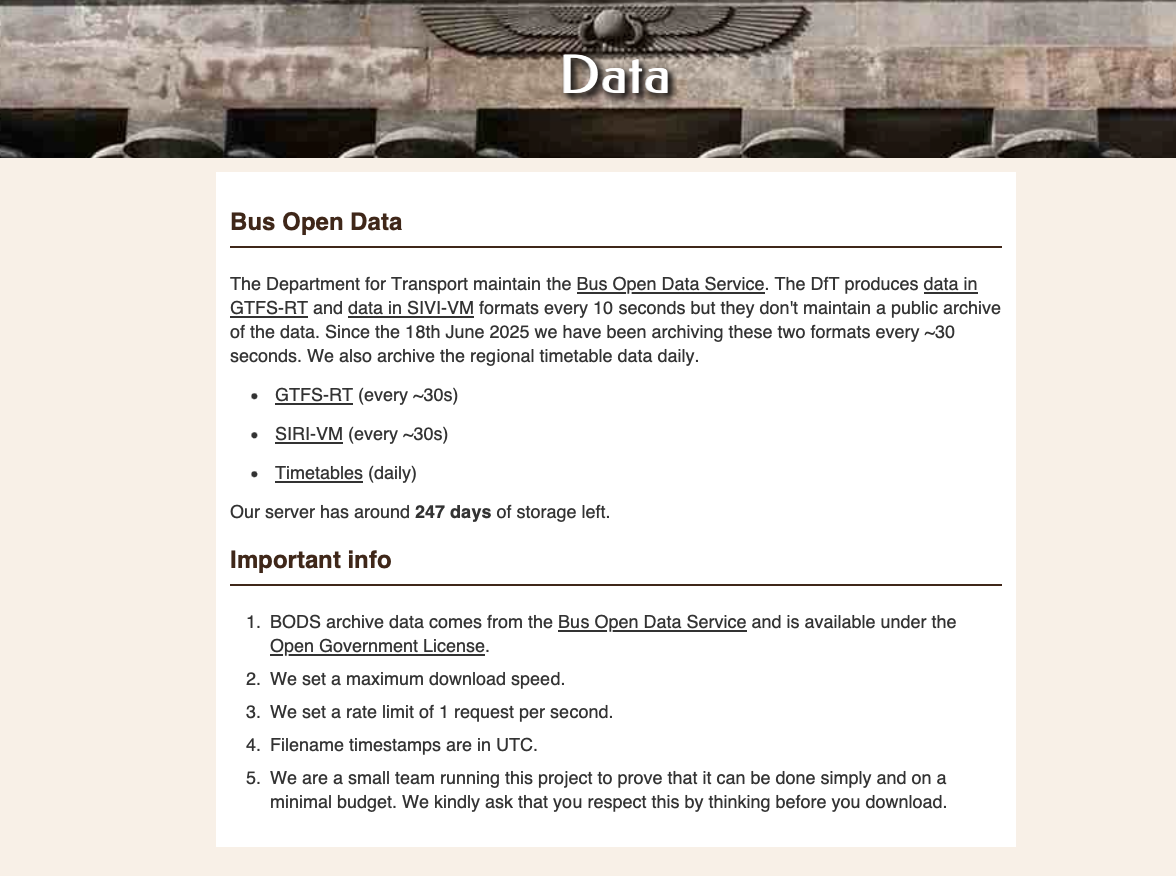
If you've been following our work for a while you'll know that there are some topics we get very animated about. One of those is buses. We've shared our experiments with bus open data, we've written thoughts on franchising, we've investigated phantom buses, hosted workshops about bus open data, and much more. Thanks to the Bus Services Act, and the subsequent Bus Open Data Service (BODS), getting live bus locations isn't hard. BODS data is perfect for showing people their current bus location on a map. But many of the projects we've worked on have needed archival information about bus locations. Time matters and we like doing so, rather than wait for the Department for Transport, central Government, or an official National Data Library to start providing an archive of BODS data, we thought we'd just start building an archive ourselves. And of course we've made it openly available. Please follow along and get involved.
Bradford 2025 - data strategy
We have been working with Bradford 2025 UK City of Culture and their evaluation team to build live pipelines of data to show the impact of the year long programme of events. Six months in and early figures estimate that over 1.4 m people have experienced over 4,500 events and projects, with over 2,200 volunteers getting involved. We can't wait to share more as the evaluation progresses.

Toolbox updates
Open Innovations is all about doing and sharing. Our Toolbox is a great example of this. It demonstrates just some of the tools we have designed and built that are free for all to use, share and learn from. We know many people use and reshare these tools - so here is a reminder of some of them.
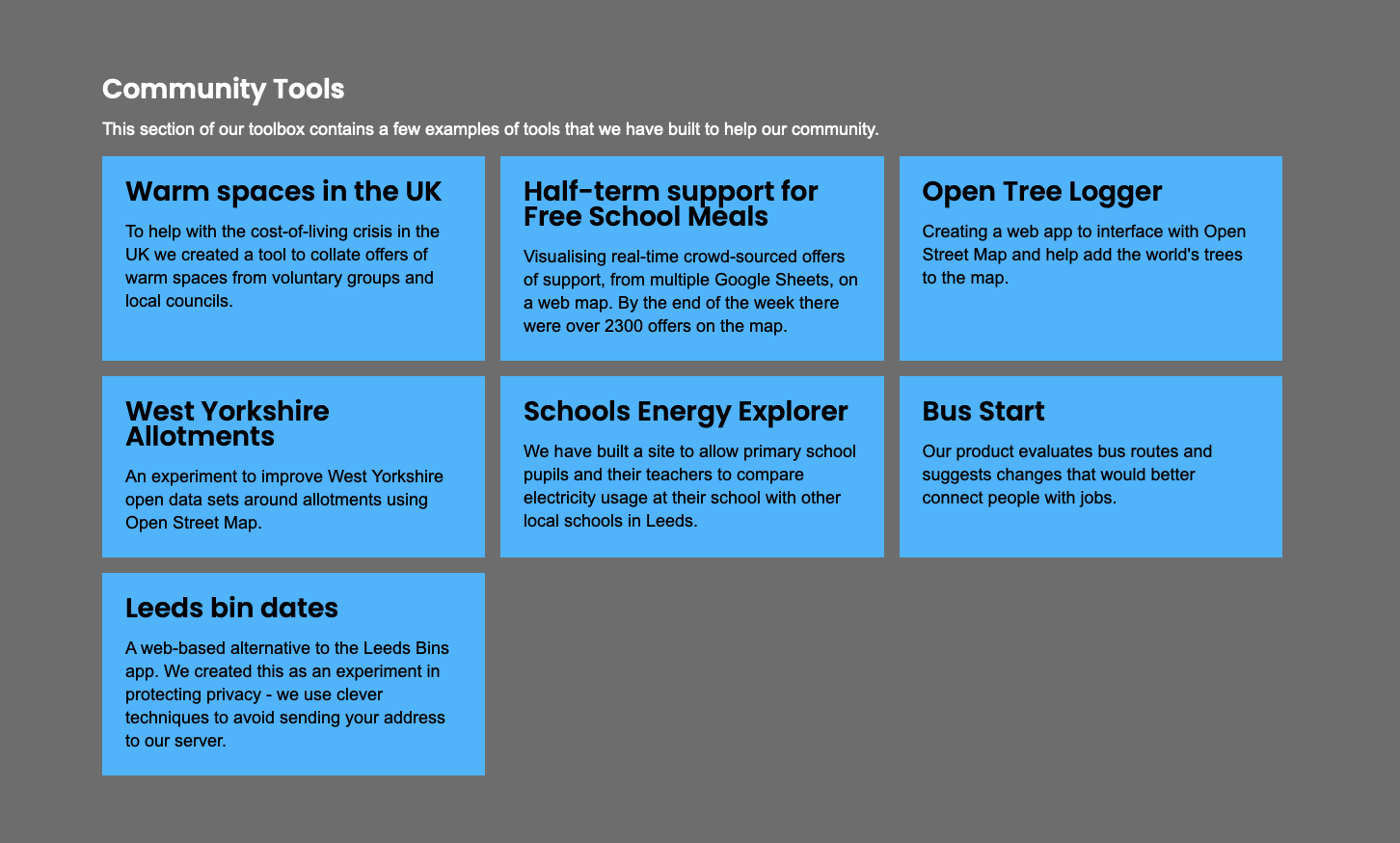
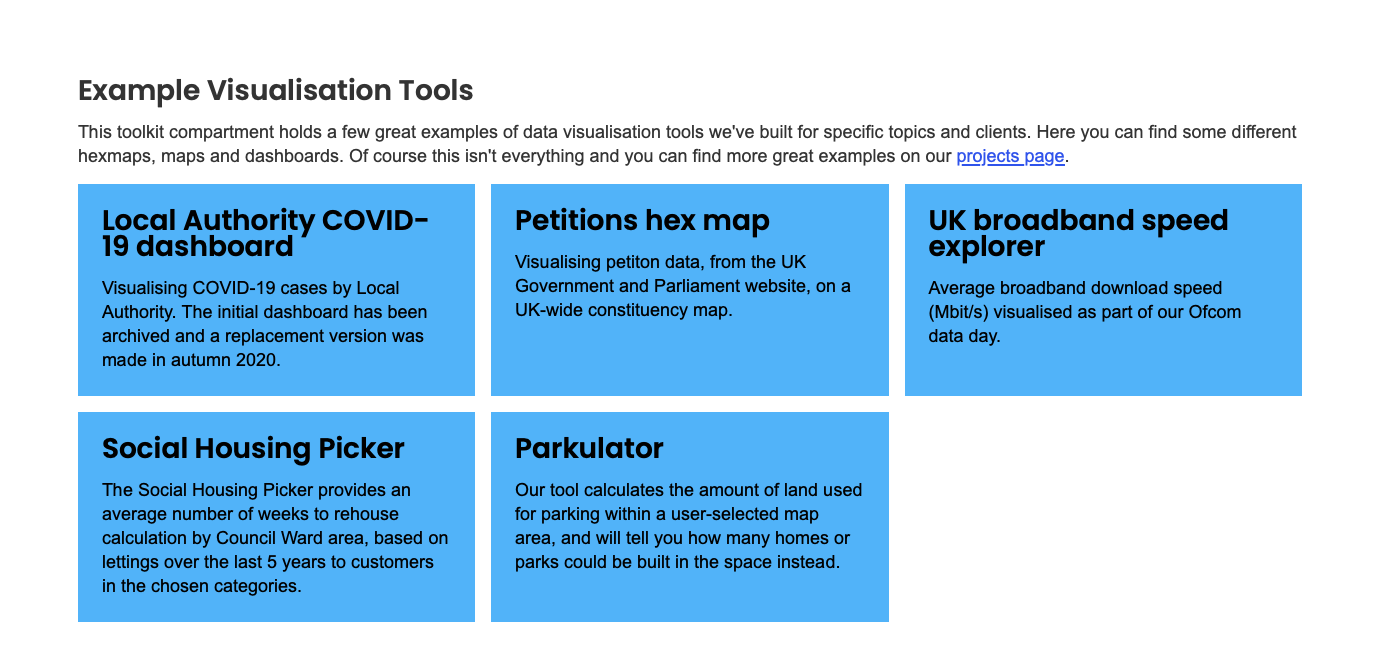
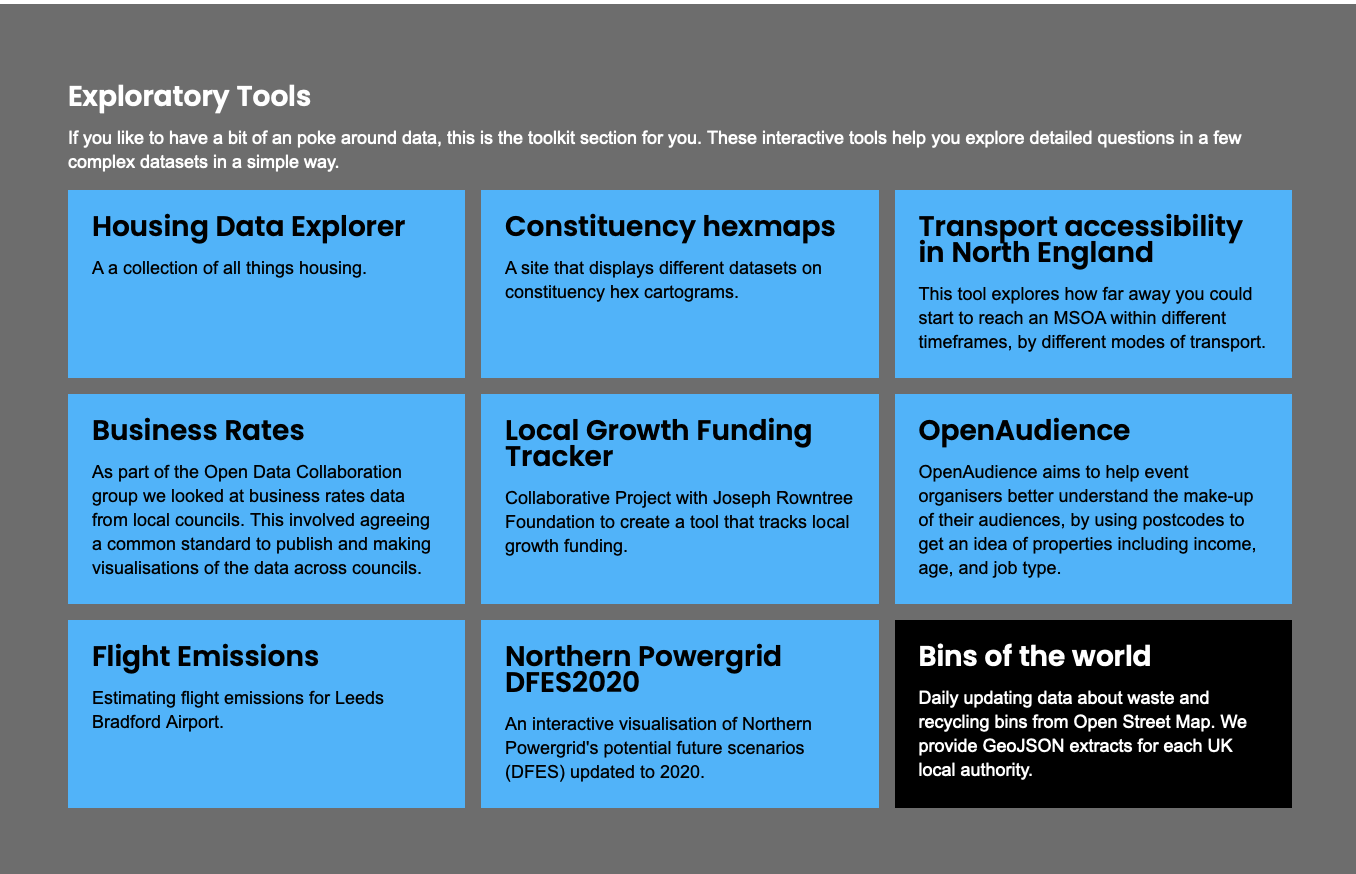
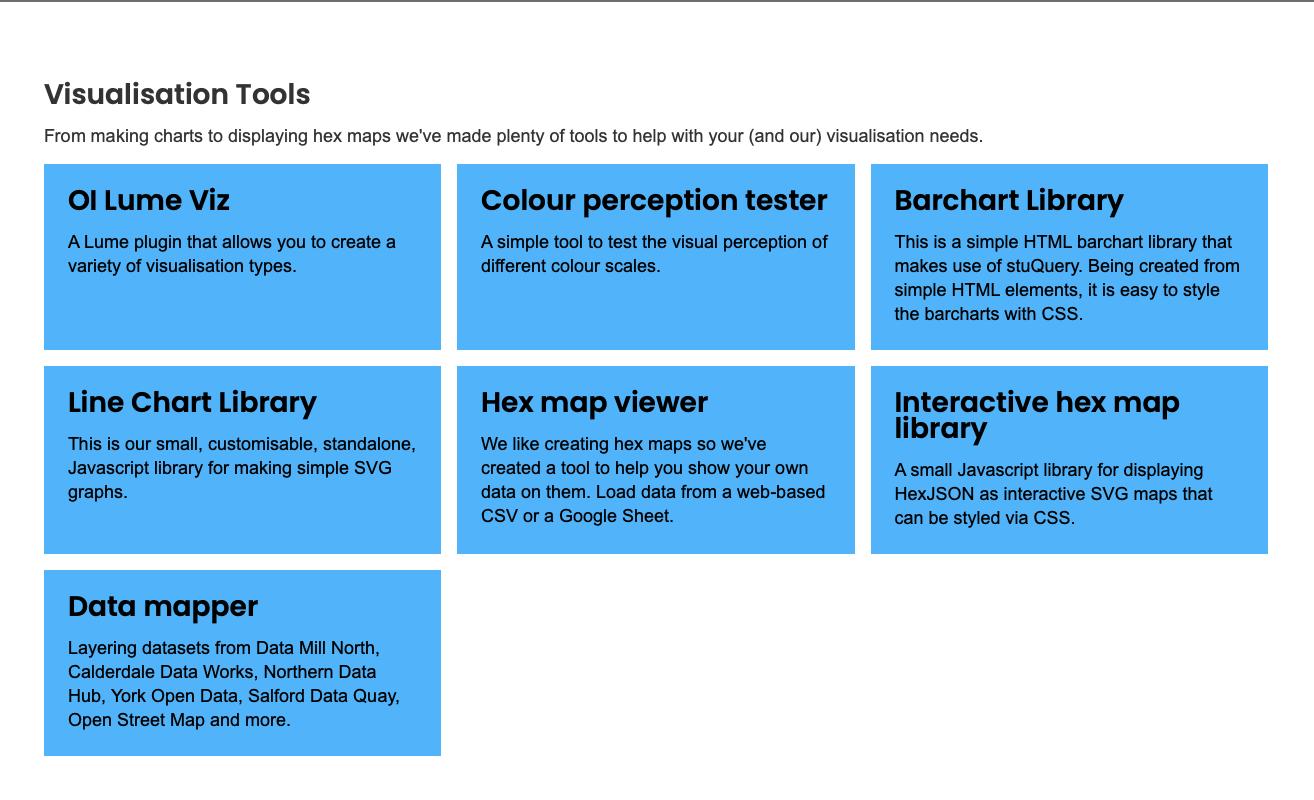
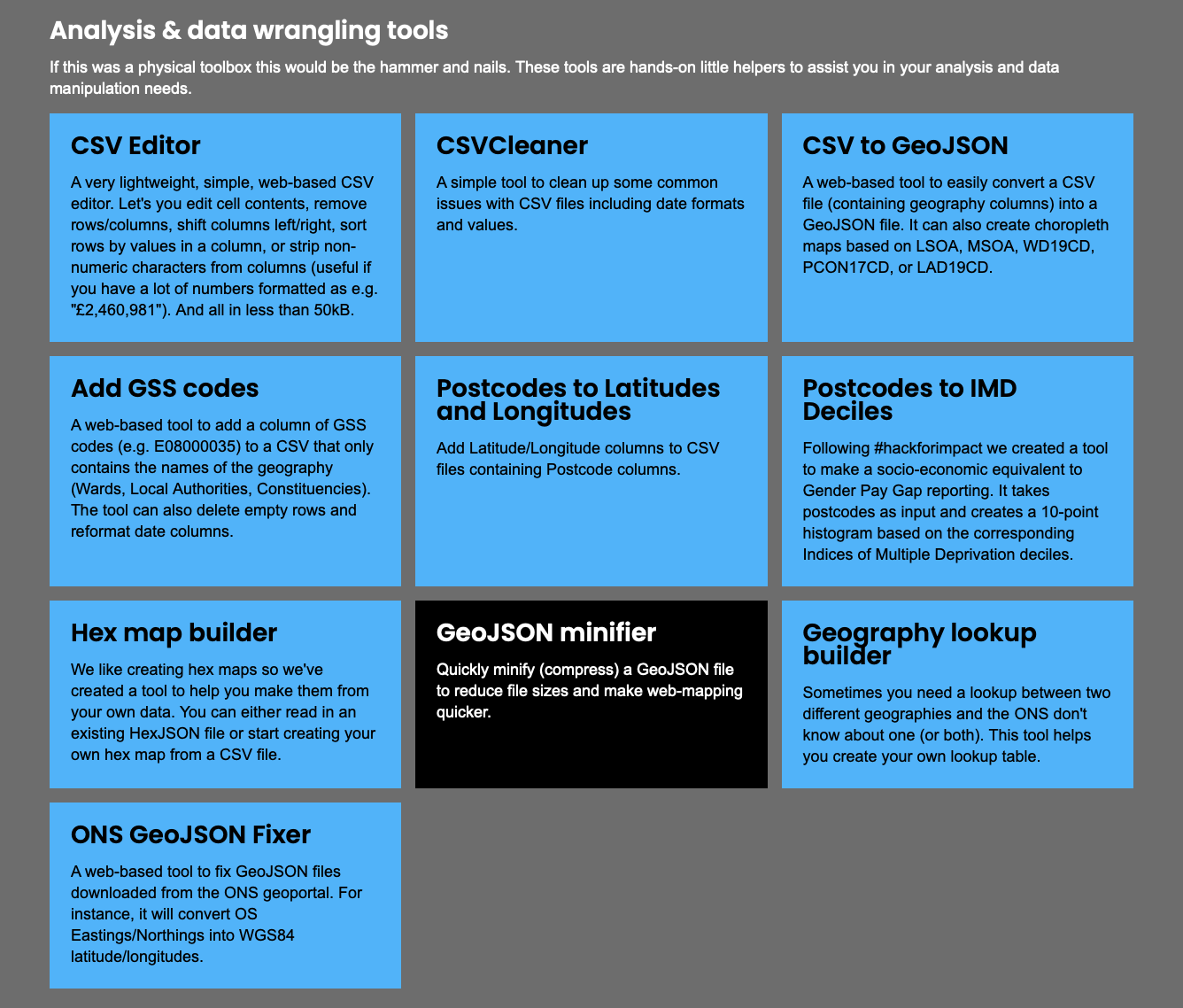
Get in touch if there's a tool you'd like us to develop, have any questions about any content in this newsletter or would like to get involved.
Thank you for reading and supporting Open Innovations.
